


Trending News

All
fashion
technology

Category Collection

11 topical minoxidil alternatives to boost hair growth

And do they meet the high expectations set by minoxidil — experts weigh in

Leave a Reply

Your email address will not be published. Required fields are marked *

From Sabyasachi to Gaurav Gupta: The 50 Indian Designers Ruling Global Fashion in 2025

Indian fashion designers include Sabyasachi Mukherjee, Manish Malhotra, Gaurav Gupta, Tarun Tahiliani, Ritu Kumar, Anamika Khanna, Anita Dongre, Rahul Mishra, Abu Jani & Sandeep Khosla, and Masaba Gupta designers who have dressed global celebrities, walked Paris runways, and built India into one of the world’s most influential fashion capitals. This guide covers all 50 top Indian designers, what makes each one iconic, and who to know for bridal, couture, and everyday luxury. 

Who Are India’s Top Fashion Designers in 2025?

For decades, the world came to India for fabric, the silk, the cotton, and the hand embroidery, then took it home and put a French or Italian name on it. That era is over.

In 2025, the label is Indian. The designers setting the creative direction of global fashion are Indian. And the names below aren’t just worth knowing; they’re worth following, wearing, and celebrating.

Which Indian Designers Have Dressed International Celebrities?

Short answer: more than you think. Gaurav Gupta dressed Beyoncé and Adele. Abu Jani & Sandeep Khosla dressed Beyoncé for her India tour. Falguni Shane Peacock have dressed Madonna and Lady Gaga. Ritu Kumar’s label was worn by Hillary Clinton. Manish Malhotra has dressed virtually every major Bollywood star for 30 years.

The Top 15 Indian Fashion Designers  Detailed

1. Sabyasachi Mukherjee

Walk into any Indian wedding and play a game of spot the Sabyasachi. You’ll find it within minutes. Since his debut at Lakme Fashion Week in 2002, he’s done something no trend could undo: made women proud to look Indian. Not in a costume way. In a “this is who I am” way.

2. Manish Malhotra

In the 90s, Bollywood heroines wore whatever the film’s budget allowed. Then Manish walked in. He didn’t pitch a collection; he built a culture. Today, when Deepika or Kareena steps out in something unforgettable, half the internet asks the same question: Is it Manish?

3. Gaurav Gupta

Paris Fashion Week 2025. A collection called “Across the Flame.” Beyoncé in one of his gowns. Adele in another. Magazine covers. International headlines. And through all of it, Gaurav Gupta, a designer from India, quietly proves that the most sculptural fashion in the world doesn’t have to come from Europe.

4. Tarun Tahiliani

He started India’s first multi-designer store in the 80s at a time when “Indian fashion retail” wasn’t even a real phrase yet. Fast forward 40 years: Aishwarya Rai still wears him. His lehengas still sell out. Some designers chase relevance. Tarun just stays relevant.

5. Ritu Kumar

1995. Paris. One Indian woman. One couture line. Zero precedent. Ritu Kumar didn’t ask for permission to put Indian fashion on the world stage; she just showed up and let the ikat do the talking. Hillary Clinton wore her label. The rest is history that deserves more chapters.

6. Anamika Khanna

She once sent a model down the runway wearing what looked like organized chaos layers, textures, and embroidery that had no business working together. It was perfect. That’s the Anamika effect. She breaks every rule of Indian dressing, then makes you wonder why the rules existed at all.

7. Rohit Bal

He described his own work as “a love letter to India.” Every beaded kurta, every velvet sherwani, every impossibly detailed border proved he meant it. Rohit Bal is gone now, but walk into any vintage fashion archive, and his pieces design the room. That’s not nostalgia. That’s permanence.

8. Anita Dongre

She turned down synthetic fabrics before it was fashionable to do so. Natural dyes, handmade textiles, and artisans paid fairly Anita built her empire on principles, not just patterns. The wild part? Her clothes don’t look like they’re trying to save the world. They just look beautiful.

9. Abu Jani & Sandeep Khosla

Their starting price is ₹10 lakhs. Their waiting list doesn’t care. When Beyoncé landed in India and needed to dress for India, she called them. Not a stylist. Not a global brand. Them. Because nobody does opulent Indian craftsmanship like Abu-Sandeep. It’s not fashion. It’s theater.

10. Rahul Mishra

He once spent months developing a single embroidery technique just to use it in one collection. That’s either madness or mastery; with Rahul Mishra, it’s usually both. His handloom work doesn’t just reference India’s craft traditions. It continues them, stitch by deliberate stitch.

11. Falguni Shane Peacock

Lady Gaga wore them. Madonna wore them. Over 50 international names have stepped into their designs and walked out looking like the main event. This husband-wife duo from India built a global evening wear empire not by chasing Western trends but by going so bold the West came chasing them.

12. Masaba Gupta

A fried egg on a saree. Lipstick motifs on a kurta. Cow prints on fabric that somehow ends up on magazine covers. Masaba Gupta is what happens when someone refuses to take Indian fashion too seriously and accidentally makes it more exciting than it’s ever been.

13. Neeta Lulla

300 films. 40 years. Three major awards. And she still approaches every costume like it’s her first. Neeta Lulla doesn’t design clothes for characters; she designs the character itself. Her Paithani-inspired work alone has preserved a craft that most of India’s fast-fashion boom would have quietly buried.

14. Amit Aggarwal

He once crafted an entire collection using materials that had no business being on a runway. The silhouettes stood on their own, literally sculptural, architectural, and gravity-defying. Amit Aggarwal isn’t designing clothes for your wardrobe. He’s designing objects for fashion history.

15. Payal Singhal

She looked at Indian bridal wear, all that weight, all that tradition, and all that “you must suffer to look good” energy and said, “What if it was just fun?” Her Indo-Western collections became a cult not because they followed a trend but because they finally said what modern brides were already thinking.

Designers 16–50: Every Name Worth Knowing

These aren’t runner-ups. They’re the designers who fill out India’s fashion ecosystem from sustainable handloom pioneers to red-carpet specialists to the next generation rewriting the rules entirely.

#DesignerWhat Makes Them Worth Knowing
16Varun BahlFloral embroidery so delicate it looks hand-painted—bridal couture that brides remember forever.
17Anju ModiClassical Indian silhouettes with a depth of heritage craft that takes your breath away.
18JJ ValayaMughal-era opulence reborn: bridal wear that feels like stepping into a royal portrait.
19Shantanu & NikhilMilitary precision meets Indian grandeur—structured, sharp, and completely unforgettable.
20Vikram PhadnisBollywood’s go-to for three decades—chic bridal wear with a cinematic edge.
21Naeem KhanIndian roots, global luxury: the designer who made New York fall for Indian craft.
22Rohit Gandhi + Rahul KhannaMinimalist Indian menswear done so well, it made simplicity look like the boldest choice.
23Wendell RodricksGoan ease, sustainable conscience—fashion that felt like a sea breeze and a philosophy combined.
24Rocky StarEdgy, dark, and structurally dramatic for when you want fashion that has a point of view.
25Kunal RawalIndia’s finest menswear designer, the man who made Indian grooms actually excited about their outfits.
26Ridhi MehraEmbroidery so soft and precise it looks like poetry translated into fabric.
27Samant ChauhanBhagalpuri silk elevated to high art—heritage craftsmanship with a quiet, powerful confidence.
28Reynu TandonBridal couture built for women who want to feel like royalty without looking like a costume.
29Siddartha TytlerAvant-garde with intention: fashion for people who want to be discussed, not just seen.
30Shivan & NarreshResort luxury that proved Indian designers could own the beach as confidently as the runway.
31Nikhil ThampiRed carpet magic. Every gown he makes looks like it was built for a standing ovation.
32Rajdeep RanawatVibrant draped silhouettes with the kind of joyful confidence Indian fashion needed more of.
33Rabani & RakhaBollywood costume meets fine couture: the duo who dressed some of cinema’s most iconic moments.
34Krishna MehtaClean, precise, contemporary Indian wear for the woman who knows exactly who she is.
35Swapnil ShindeDramatic gowns with a theatrical flair—couture that commands every room it enters.
36Pankaj & NidhiBold print textures so distinctive, you’d recognize their work across a crowded fashion week.
37Akaaro (Gaurav Jai Gupta)Handwoven sustainable luxury—proof that the most beautiful fashion can also be the most responsible.
38Sougat PaulContemporary silhouettes layered with bold prints—fashion that rewards a second look.
39Rishi & VibhutiIndian wedding wear reimagines classic motifs cut in ways that feel genuinely modern.
40Varun ChakkilamFusion boldness with laser-cut precision for the wearer who refuses to blend in.
41Pallavi JaipurBlock prints and handloom tradition in modern silhouettes: tradition wearing fresh clothes.
42Dhruv KapilaSustainable Indian garments handcrafted with a patience that shows in every stitch.
43Bodice (Ruchika Sachdeva)Sleek minimalism that makes Indian contemporary wear feel as sharp as anything from Europe.
44431-88 by Shweta KapurModern Indian minimalism: stripped back, sophisticated, and impossibly wearable.
45Swatti KapoorSustainable handwoven textiles with a soul: fashion that knows where it came from.
46Kanika GoyalStreetwear energy meets Indian design—fashion for the generation that doesn’t separate the two.
47Rimzim DaduWire and metallic fabric as couture—experimental work that makes you question what fabric even means.
48Mrunalini RaoHandcrafted bridal and occasion wear with a warmth and detail that no machine can replicate.
49Shriya SomElegant bridal and pre-fusion for the bride who wants sophistication without ceremony.
50PrevasuA women-led label reviving India’s craft traditions—modern creativity with deep sartorial roots.

Indian Fashion on the Global Stage

For decades, the world came to India for fabric, the silk, the cotton, and the hand embroidery and then took it home and put a French name on it. That era is over.

In 2025, the label is Indian. When Beyoncé needs a gown that stops conversation in a room, she calls Gaurav Gupta, a designer from India. When brides across the world want something that doesn’t look mass-produced, they save up for a Sabyasachi. Not because it’s exotic. Because nothing else compares.

That didn’t happen because Indian fashion got lucky. It happened because designers here stopped treating their own heritage like a handicap.

And the sustainability conversation? India was doing this before it had a hashtag. Anita Dongre, Ritu Kumar, and Rahul Mishra aren’t rebranding as eco-conscious. They’re just doing what Indian craft always did: take time, use real materials, and pay the person whose hands made it. The West packaged that into a movement. India just called it work.

Best Indian Designers for Bridal Wear

If you’re planning a wedding and wondering where to start, here’s the honest guide:

For a heritage bridal lehenga that will outlast trends: Sabyasachi Mukherjee.

For couture that’s theatrical and unforgettable: Abu Jani & Sandeep Khosla.

For elegant bridalwear that’s comfortable to wear all day: Tarun Tahiliani.

For modern Indo-Western brides with personality: Payal Singhal.

For sustainable bridal that doesn’t compromise on beauty: Anita Dongre.

Final Word

Every designer on this list made a choice at some point to not dilute what makes Indian fashion Indian just to fit a Western mold. Some of them paid for that choice early in their careers. Now the world flies to India for inspiration.

If you found a name here you didn’t know before, look it up. Buy something if you can. Or just follow the journey. Indian fashion in 2025 isn’t waiting for anyone’s approval anymore.

Honestly? That’s what makes it worth watching.

Which Indian designer is your favorite? Drop it in the comments; we read every single one.

Reference Website: India Fashion Icon, First Look, AAFT, Pearl Academy

Leave a Reply

Your email address will not be published. Required fields are marked *

How to Start a Business In 2026 

To start a business requires six key steps: developing a unique idea, conducting market research, writing a business plan, registering your business legally, securing funding, and protecting it with insurance. Success depends on identifying a gap in the market, understanding your target audience, and building a sustainable strategy before investing time or money.

1. Think Something Unique:

Before you start anything unique, you’ll want to make sure you do your research strongly. This is mandatory, because only a few companies survive long.

If you’re looking for how to start a business, it may feel easier than you think. To make a long, profitable, and sustainable business, it is important to have a unique idea.

It doesn’t matter at all whether you’re in your 30s or 40s; you’ll only want to find the right business that gives you good pay and the right growth strategies. Don’t be afraid to take a risk of starting your own sole proprietorship business.

2. Start Researching On Your Unique Business Idea:

Once you get a unique business idea in your mind, your first step is to do market research and analyze your competitors. This will help you track your real audience’s interest:

  • Understand what your audience really needs.
  • Identify the potential problems with the product or service you are going to provide to your audience.
  • Find and understand the relative niche business and try to bring something new and unique that you can give to your customer.

To conduct your research perfectly, all you’ll want to do is:

Analyze who needs your products or service: 

You can do this by analyzing the demand for your product; it also includes factors like age, location, and even marital status. 

Start communicating with your targeted audience: 

Once you understand which categories of people have demand for your products, start talking to people directly to gain more feedback. 

Study your competitors: 

Analyzing your competitors’ behavior can give you a rough idea about what already exists in your market. This can help you to bring something new out of it. You can easily identify the weaknesses of your product or service. Do not forget to compare your competitor’s prices, because it will give you an idea  of how much customers are currently spending on similar kinds of products.

3. Start Planning:

Your plan decides your current and future goals and profitability of your business. Many successful business owners follow the same process to organize the direction and future goals of their company. Yours should include:

    • Title page and contents: Investors also want some clear idea of your business plan; that’s why keeping it organized so that it’s easy to navigate.
    • Your Business Statement of Purpose: This gives an idea about what your business provides.
    • Product descriptions: Gives a summary of your product or services and how they benefit customers.
    • Market analysis: Shows a graph and outline of your target locations, selling trends, and customer behavior towards your products.
    • Competitor analysis: Highlight the positive and negative sides of your competitors that have similar products or services.
    • Finding potential weaknesses: A business plan helps identify risks, remove gaps in your strategy, and uncover the spots before they become costly problems.
    • Communicating your ideas to stakeholders : A business plan helps you to showcase your investors and partners and build the credibility and trust that key decision-makers need before committing their support. 
  • Organizing important information about your business: consolidate your research, data, and projections into a single, structured document that works as a clear reference point and actionable roadmap for your entire operation.
  • Hiring employees that are perfect for your company: Hire talent that aligns with your mission and culture by clearly defining the roles and values that guide your recruitment and ensuring you build a team with the right skills to execute your vision. 

4. Make Your Business Live to the customer

Once you’ve done with your research on your idea and have confidence that it has the ability to last, it’s time to take your business to the next level by making it live to the public. 

To do this, you’ll want to:

  • Get the right license for your business: This makes your brand’s name legal in the market.
  • Apply for a GST ID number: This allows the revenue department to track your business transactions. This is also helpful to open a bank account.

Note: These steps make your brand name unique, one that no one else can use. And once your brand name is registered, you can create an online presence of your brand.

 5. Understand your Costing Power

Have you thought about  to start a business without spending a  single cent of money?” Here are some tips on how to get funding for long-term success, including:

  • Asking your neighbor or family member for help for extra money.
  • Apply for a small business loan, or look for grants or local funding agencies.
  • Take the help of investors to invest in your company.

Check out some of these business ideas that you can do part-time without spending a single money in 2026:

  • Freelance content writing
  • Graphic design
  • Any kind of teaching classes
  • Web designing
  • Online personal training
  • Baby day care center
  • Interior design

6. Think About Business Future Uncertainties:

Starting a small business is not easy; it  takes a lot of hard work, time, and money to survive in the market. That means it also needs some protection from future uncertainties, which includes:

  • General Insurance Scheme: To protect your business from liability claims such as bodily injury, property damage, libel, or slander.
  • Business income insurance: For help replacing lost income due to fire, theft, or damages caused by natural calamities.
  • Data breach coverage: Which helps in recovering the  costs if your customers’, patients’, or employees’ private data is lost or stolen by an unauthorized user.
  • Professional liability coverage: for protection if you’re sued for negligence or wrongdoing or errors in the services you provide.
  • Commercial property insurance: Which helps in maintaining the ability to pay for damages to your building, machinery, equipment, inventory, furniture, and fixtures.

Conclusion

Building  a strong business requires lots of time and money put into it. It also needs some marketing promotions to promote business.

In today’s market world, building a business also requires an online presence. These can help you to reach and understand customers’ likes and dislikes easier and better. With the help of  email marketing, you can reach them directly and promote your business.

Ref Website: The Hardford

Leave a Reply

Your email address will not be published. Required fields are marked *

Social Engineering in Cybersecurity: Common Attacks and How to Stop Them

Cybersecurity threats are evolving fast, but one attack method continues to dominate headlines social engineering in cybersecurity. Instead of breaking into systems, attackers are breaking into minds. From AI-driven phishing scams to deepfake fraud, human-focused cyberattacks are now one of the biggest risks facing individuals and organizations.

According to recent cybersecurity news, over 80% of data breaches now involve some form of social engineering attack in cybersecurity, proving that humans remain the weakest security link.

How Social Engineering in Cybersecurity Attacks

Phishing & Spear Phishing

Phishing remains the most widespread social engineering threat in cybersecurity. Attackers send realistic emails or messages posing as banks, cloud providers, or employers. Spear phishing takes this further by personalizing attacks using social media data.

Vishing and Smishing

Voice phishing (vishing) and SMS phishing (smishing) are rapidly increasing. These human manipulation cyber attacks exploit urgency fake fraud alerts or delivery issues to trick victims into revealing sensitive data.

AI & Deepfake Social Engineering

One of the most alarming trends is AI-powered social engineering in cyber security. Hackers now use deepfake audio and video to impersonate executives, authorize payments, or bypass identity checks.

Pretexting Attacks

In pretexting in cybersecurity, attackers create believable scenarios posing as IT staff or auditors to gain system access. These attacks rely heavily on trust and authority.

How to Stop Social Engineering Attacks for Cybersecurity

Preventing social engineering attacks in cybersecurity requires both awareness and action:

  • Conduct regular cybersecurity awareness training
  • Implement multi-factor authentication (MFA)
  • Verify requests through secondary channels
  • Limit public exposure of personal and corporate data
  • Simulate phishing attacks to test employee readiness

By focusing on human-based cybersecurity defense, organizations can dramatically reduce risk.

Why Awareness Is the Best Defense

Unlike software vulnerabilities, people can’t be patched overnight. Psychological manipulation in cybercrime works because attackers exploit emotion, not technology. Education, skepticism, and verification are the strongest tools against social engineering threats in cyber security.

Final Takeaway

As digital threats grow more sophisticated, social engineering in cybersecurity continues to be one of the most effective attack methods. Knowing the common attacks and how to stop them can be the difference between security and a costly breach.

Leave a Reply

Your email address will not be published. Required fields are marked *

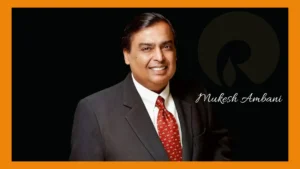
Mukesh Ambani Per Day Income Might Surprise You

So how much is  Mukesh Ambani Per Day Income? The answer says more about modern wealth than just one individual’s success.

When people talk about Mukesh Ambani’s wealth, the numbers often feel unreal so large that they lose meaning. But when his fortune is broken down into daily earnings, the scale becomes impossible to ignore.

Mukesh Ambani per day income That Defies Imagination

Based on estimates tied to his net worth growth and business valuation, Mukesh Ambani’s daily earnings  increase by hundreds of crores of rupees on an average day during strong market periods. That figure is not a fixed “salary,” but a reflection of how ownership in massive enterprises works.

While most people earn monthly or yearly paychecks, Mukesh Ambani wealth per day grows minute by minute driven by stock movements, company performance, dividends, and long-term investments.

To put it simply: what many families aim to save over a lifetime, Ambani’s business ecosystem can generate in moments.

Reliance Industries Chairman Income: The Big Difference

One common misconception is that Mukesh Ambani “earns” this money as income. In reality, his official salary from Reliance Industries has been relatively modest and capped for years.

The real engine of Mukesh Ambani daily earnings lies elsewhere:

  • His majority stake in Reliance Industries
  • Share price movements in listed companies
  • Profits from telecom, retail, and energy businesses
  • Long-term asset appreciation

This is why daily income estimates fluctuate; they reflect wealth creation, not cash deposited into a bank account.

The Viral Donation Question

A popular online question asks: What if Mukesh Ambani donated ₹1 lakh every day? Would it impact his wealth?

The math is eye-opening. Even donating that amount daily for decades would barely make a dent in a fortune of this scale. That comparison isn’t meant to downplay generosity; it simply highlights how concentrated wealth functions at the very top.

Why This Fascinates the Public

Stories like this resonate because they expose a stark contrast:

  • For many Indians, ₹1 lakh is a major financial milestone
  • For billionaires, it’s a rounding error

This gap fuels curiosity, admiration, criticism, and debate all at once. Mukesh Ambani’s daily earnings have become less about one man and more about how modern capitalism rewards scale, ownership, and timing.

What It Really Tells Us About Mukesh Ambani Daily Earnings

Mukesh Ambani’s single-day earnings remind us that the biggest fortunes aren’t built through salaries, they’re built through control of businesses that shape entire industries.

Whether one views this as inspiring or unsettling, it undeniably shows how wealth creation has evolved in India’s corporate era.

Final Thought

So yes, Mukesh Ambani’s daily earnings are surprising.
Not just because of the number, but because it forces us to rethink how wealth, income, and success are measured in today’s world.

And perhaps that’s why these questions never stop trending.

Leave a Reply

Your email address will not be published. Required fields are marked *

Kunal Shah Business Loss of ₹5,215 Cr When Valuation Meets Reality

The entrepreneurial journey of Kunal Shah co-founder of Freecharge and founder of CRED has recently come under scrutiny after a viral post by a consultant questioning the financial track record behind the hype.

According to the post by consultant Adarsh Samalopanan, over the last 15 years, Kunal Shah’s ventures have never delivered a profitable year. While Freecharge earned around ₹35 crore by 2015, it was running on heavy cashback-fuelled losses estimated at ₹269 crore. 

After Freecharge’s acquisition by Snapdeal for ₹2,800 crore in 2015 only for it to be later sold to Axis Bank for ₹370 crore in 2017 the valuations came crashing down to just 14% of the earlier price. 

Turning to CRED (launched in 2018), the consultant’s post claims the fintech company has generated cumulative revenues of roughly ₹4,493 crore  yet posted a cumulative net loss of ₹5,215 crore over seven years. Not a single profitable financial year so far, raising serious doubts whether the narrative around Shah’s success is fair. 

The Other Side: Vision, Disruption & A Different Definition of Success

Critics argue profits are the only true measure of business success. Meanwhile, supporters of Shah counter that early losses are a known feature of tech-startup growth, especially in the fintech space where building user base, trust, and scale often demand upfront capital infusion.

Kunal Shah himself responded to the LinkedIn critique by acknowledging the losses  but urging people to “celebrate entrepreneurs” who take risks and build something new. In his words, “we need more job creators,” especially in a rapidly shifting tech world.

Proponents also highlight the broader impact: CRED and Freecharge were arguably early catalysts that reshaped how Indians think about digital payments, credit-card bill payments, and financial rewards. For them, the value lies beyond quarterly financial statements  in behavior change, new user experiences, and building the foundations of India’s fintech market.

Why This Debate Matters: Valuation vs Profitability in India’s Startup Culture

The controversy around Kunal Shah underscores a larger, ongoing debate in India’s startup ecosystem: Should growth, valuations, user adoption and disruption be celebrated even when profitability remains elusive for years? Or is a viable long-term business only one with a healthy bottom line?

For investors, founders, and regulators  the numbers tell one story. For innovators and early adopters, another story emerges: one of risk-taking, long-term vision, and building for the future.

Only time will tell whether companies like CRED will cross into sustainable profitability and whether the startup community will recalibrate its definition of “success.

Leave a Reply

Your email address will not be published. Required fields are marked *

ShahRukh Khan Net Worth 2025: Journey to ₹12,490 Crore Empire

2025 will be remembered as the year when Shah Rukh Khan (SRK) moved far beyond stardom he transformed into a full-blown business empire. According to the latest Hurun India Rich List, Shahrukh Khan net worth now stands at a staggering ₹12,490 crore (≈ USD 1.4 billion), making him the first Bollywood actor to officially join the billionaire club.

Key pillars that power Shah Rukh Khan’s Net Worth:

What sets SRK apart is that acting alone no longer defines his wealth; it is just one of several pillars supporting his financial stature. 

  • His production house and VFX studio Red Chillies Entertainment, founded in 2002, has grown into a major entertainment-business conglomerate.
  • He owns a majority stake in sports entities like Kolkata Knight Riders (KKR)  an asset that adds significantly to his net worth and global brand. 
  • His real estate holdings  including his iconic Mumbai residence Mannat along with luxury investments and international properties, further diversify his wealth portfolio.

Shahrukh Net Worth become Global Standing  More Than Just Bollywood

Shahrukh Khan net worth of  ₹12,490 crore fortune doesn’t just make him India’s richest celebrity; it places him among the top-earners globally, ahead of many international entertainers.

That huge leap, reportedly an astonishing 71% jump over last year, underlines how strategic business moves, rather than just film success, can redefine longevity and legacy.

What This Earnings Surge Means for Bollywood & Fans

  • For Bollywood: SRK’s rise signals a shift in the era when acting fees alone are evolving. Diversified businesses, brand value, and global reach matter more than ever.
  • For upcoming talent: Talent and screen presence are just the starting point. Building a long-term empire requires vision beyond films.
  • For fans and industry watchers: The face you adore isn’t just a superstar  he’s also a powerhouse entrepreneur shaping entertainment, sports, and business in India and beyond.

Why SRK’s Billionaire Journey Matters

Shah Rukh Khan’s success isn’t just about numbers.
It is a lesson in reinvention, resilience, and vision.

  • He built wealth beyond films.
  • He stayed relevant for over 30 years.
  • He created a global brand unmatched by any Indian celebrity.

His story proves that true success comes from evolving with time  and SRK continues to rise, year after year.

Final Word

Shah Rukh Khan’s Net Worth in 2025 isn’t just a statistic, it’s a symbol of what passion, intelligence, and relentless hard work can create.

From the streets of Delhi to a ₹12,490 crore global empire, SRK’s journey remains one of the most extraordinary success stories in entertainment history.

Leave a Reply

Your email address will not be published. Required fields are marked *

Manoj Bajpayee SRK National Award Reaction: “A Loser Conversation

National Film Awards 2025: A Controversial Win

The National Film Awards 2025 created a buzz when Shah Rukh Khan’s Jawan win for Best Actor sparked heated debates online. Many fans felt Manoj Bajpayee in Sirf Ek Bandaa Kaafi Hai deserved the recognition instead.

Manoj Bajpayee Reacts to SRK’s National Award Win

“It’s a Loser Conversation”

Manoj Bajpayee finally addressed the comparisons, calling them “a loser conversation” and stressing that he prefers to move on rather than dwell on award outcomes.

Focus on Craft Over Awards

The actor emphasized that he values the impact of films like Bandaa and Joram more than trophies, highlighting his dedication to meaningful storytelling.

Shah Rukh Khan Jawan Win vs. Manoj Bajpayee Bandaa

The Case for SRK’s Victory

SRK’s performance in Jawan was a blockbuster success, blending mass entertainment with strong character moments, a combination that resonated with the jury.

Why Fans Back Bajpayee

On the other hand, Manoj Bajpayee’s raw intensity in Sirf Ek Bandaa Kaafi Hai struck a chord with critics, leading fans to believe his performance was more award-worthy.

Are Awards Losing Respect?

Bajpayee also hinted that the credibility of awards is slipping. He feels recognition should highlight true artistic merit rather than commercial influence.

“Awards are decorative. They don’t define an actor’s worth,” he remarked.

Key Takeaway from Manoj Bajpayee SRK National Award Reaction

While audiences debate SRK’s National Award win vs. Bajpayee’s Bandaa, the veteran actor reminds us that true respect comes from the craft itself, not from trophies.

What’s your opinion on the Manoj Bajpayee SRK National Award reaction? Should awards be the ultimate recognition, or does great cinema speak for itself?

Leave a Reply

Your email address will not be published. Required fields are marked *

Mahieka Sharma Hardik Pandya Rumoured Girlfriend After Breakup

Hardik Pandya is back in the headlines and this time, it’s not about cricket. After reports of his separation from Natasa Stankovic and a brief link-up with UK singer Jasmin Walia, the star all-rounder is now rumoured to be dating Mahieka Sharma.

So who exactly is Mahieka Sharma, Hardik Pandya’s rumoured girlfriend, and why is everyone suddenly talking about her?

Mahieka isn’t just another name in the modelling world. She’s academically sharp a 10 CGPA scorer in her boards, with an economics and finance background. Beyond the books, she carved her space in modelling through local pageants and steadily built a following. She’s also deeply into fitness and yoga, and even once walked a ramp despite a painful eye infection caused by a makeup allergy. Resilient? Absolutely.

What’s sparked curiosity is her alleged connection with Pandya. Social media sleuths were quick to notice Mahieka liking several Hardik-related posts, and that’s all it took for the gossip mill to kick into gear. Fans, of course, are divided some brush it off as baseless chatter, while others think there might be “something brewing.”

For Hardik, his personal life has often played out as publicly as his cricketing career. His whirlwind marriage to Natasa was one of the most talked-about celebrity unions. Later, his bond with Jasmin Walia grabbed attention with vacation pictures and public outings. Now, the spotlight seems to be shifting toward Mahieka Sharma, Hardik Pandya’s rumoured girlfriend.

Leave a Reply

Your email address will not be published. Required fields are marked *

Shine with Style: The Latest Trends from Kushal’s Fashion Jewellery

The fashion world is constantly evolving, and jewellery continues to remain at the heart of every style revolution. In recent months, Kushal’s Fashion Jewellery has unveiled designs that are not only eye-catching but also set the tone for modern accessorizing. From minimal chic looks to elaborate festive pieces, Kushal’s has been making headlines in the fashion industry.

One of the hottest jewellery news highlights is the growing love for delicate everyday wear. Kushal’s latest collection features fine chains, sleek bangles, and elegant earrings that resonate with today’s busy yet stylish lifestyle.

Fashion editors are talking about statement earrings, and Kushal’s is leading the trend. Oversized hoops, chandbalis, and textured danglers are grabbing attention across runways and red carpets.

Kushal’s has successfully brought traditional temple and kundan jewellery into the spotlight once again. Fashion insiders note that these pieces are now being paired not only with sarees but also with Indo-western outfits.

Fashion news platforms are reporting layered necklaces as a must-have this season. Kushal’s multi-strand and choker-layered styles are perfect for those wanting to add drama to their look.

Another big news trend: luxury at accessible prices. Kushal proves you don’t need to break the bank to stay stylish, making high-fashion jewellery available to everyone.

The Kushal’s Jewellery Latest Trends story proves that fashion is about balancing tradition with modernity, elegance with affordability. Whether you want subtle pieces for daily wear or bold jewellery for special occasions, Kushal’s continues to shine as a trendsetter in the jewellery world.

Leave a Reply

Your email address will not be published. Required fields are marked *

“Aamir Khan Blasts Bollywood’s Luxury Entourage Culture: Where Does It End?

In a recent candid interview, Aamir Khan blast bollywood on growing culture of extravagant demands among Bollywood stars think on-set gyms, vanity vans, and full kitchen setups all being expected at a producer’s expense. He argues that while stars deserve comfort and respect, the trend of asking producers to foot bills for personal staff and luxury extras is exploitative and unfair. Khan warns that if this continues unchecked, the entire film ecosystem will suffer under inflated budgets and unreasonable expectations.

Bollywood superstar Aamir Khan has openly criticised the growing culture of lavish and unreasonable demands made by some actors on film sets. According to him, it’s no longer just about basic comfort many stars now insist on having personal gyms, luxury vanity vans, live cooking kitchens, and even trainers arranged at the producer’s expense.

Khan revealed that these demands don’t stop there. Several actors expect producers to cover the costs of their personal staff, including drivers and assistants, even though such expenses should ideally be borne by the stars themselves.

Calling the trend both exploitative and unfair, Aamir pointed out that actors in Bollywood are already among the highest paid in the industry. He questioned: “Where does this end? Will producers one day have to pay for every aspect of an actor’s personal life?”

The actor stressed that producers, who shoulder massive financial risks to make films, deserve much better treatment. He warned that if this culture of entitlement continues unchecked, it could damage the film industry’s ecosystem, inflating budgets and making movie production unsustainable.

By speaking out, Aamir Khan has reignited the debate on fairness, accountability, and respect within Bollywood’s power dynamics urging stars to rethink how far is “too far” when it comes to luxury on sets.

Leave a Reply

Your email address will not be published. Required fields are marked *

Trending News

11 topical minoxidil alternatives to boost hair growth